
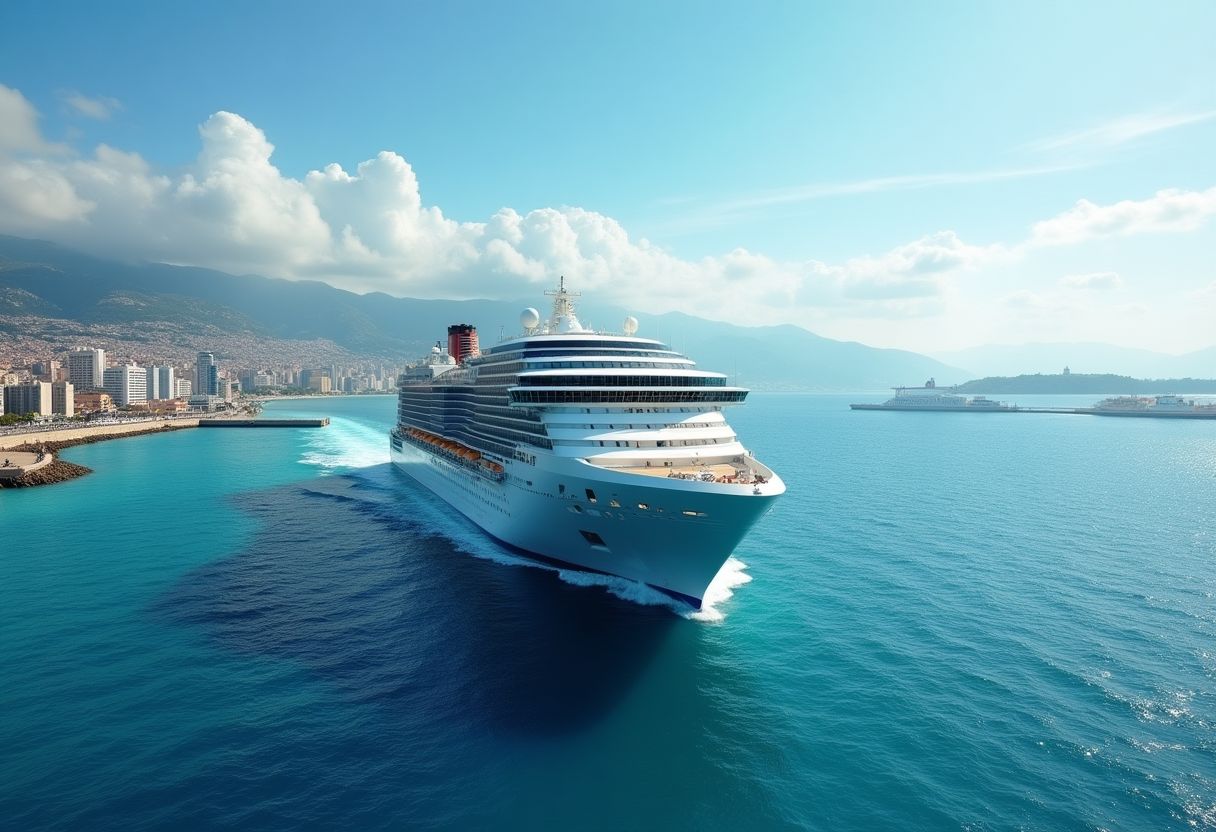
Envie de prendre le large sans quitter la France ? Les croisières au départ de Marseille séduisent chaque année de nombreux voyageurs. Situé en plein cœur de la Méditerranée, le port de Marseille s’impose comme un point de départ stratégique pour explorer des paysages variés, découvrir différentes cultures et profiter de vacances sur mesure. Que vous rêviez d’une mini-croisière, d’un circuit d’une semaine ou de voguer pendant plusieurs semaines, les choix sont nombreux. Voici un guide complet pour bien préparer votre expérience maritime depuis la cité phocéenne.
Pourquoi choisir une croisière au départ de Marseille ?
Débuter son aventure par une croisière au départ de Marseille présente de nombreux avantages logistiques et touristiques. La proximité de la ville avec la gare Saint-Charles ou l’aéroport facilite grandement l’arrivée pour les voyageurs venant de toute la France et d’autres pays européens.
Le port de Marseille accueille un grand nombre de navires chaque saison, garantissant un large éventail d’itinéraires de croisière adaptés à tous les profils. Certains itinéraires font escale sur la côte d’Azur, tandis que d’autres mènent vers l’Italie, l’Espagne ou encore la Grèce.
Quels sont les principaux itinéraires de croisière ?
La position géographique idéale du port de Marseille permet de rejoindre rapidement un vaste choix de destinations méditerranéennes. Selon la durée et le type de croisière souhaités, les escales varient énormément, offrant à chacun l’opportunité de vivre une aventure personnalisée.
Les classiques méditerranéens
Les itinéraires de croisière les plus populaires incluent souvent des arrêts dans des villes emblématiques. Parmi elles :
A lire sur le même sujet
- Bordighera et Savone, véritables portes italiennes vers la Riviera
- Barcelone, capitale vibrante de la Catalogne
- Valence ou Palma de Majorque, idéales pour combiner culture et plages
- Gênes ou Civitavecchia, points d’entrée incontournables pour découvrir Rome
- Naples et Palerme, aux saveurs authentiques du sud de l’Italie
- Kotor ou Dubrovnik, joyaux de l’Adriatique pour certains circuits prolongés
Chaque escale est pensée pour maximiser la découverte et permettre aux passagers de goûter à la diversité culturelle, artistique et culinaire de la Méditerranée.
Des options plus longues et originales
Certains itinéraires de croisière au départ de Marseille proposent aussi des durées atypiques pour ceux qui souhaitent explorer davantage :
- Mini-croisières de 2 à 5 nuits, généralement axées sur la détente et des escales courtes en Italie ou sur la côte d’Azur
- Circuits de 7 à 10 jours permettant de visiter jusqu’à cinq ou six ports différents dans la région
- Tours du monde ou transatlantiques, réservés aux grands voyageurs en quête d’aventure exotique
Une variété appréciable pour trouver le format idéal, que l’objectif soit un simple week-end dépaysant ou une véritable escapade hors du temps.
Quelles sont les principales compagnies de croisière ?
Le port de Marseille sert de base à de nombreuses compagnies de croisière reconnues. Chacune déploie plusieurs navires durant la saison estivale comme hivernale, assurant ainsi une flexibilité à tous les niveaux.
Compagnies majeures présentes à Marseille
Un certain nombre de grandes entreprises spécialisées opèrent régulièrement depuis le port de Marseille. Elles se distinguent autant par la taille et la qualité de leurs bateaux que par la diversité de leurs offres d’itinéraires de croisière.
- Navires modernes et équipés pour tous les âges, incluant piscines, espaces bien-être, spectacles et animations familiales
- Programmes spécifiques pensés pour les enfants, couples ou groupes d’amis
- Possibilités d’extension ou de personnalisation des séjours selon la période de navigation
L’offre variée assure ainsi que chacun puisse sélectionner une ambiance et un niveau de service adaptés à ses attentes.
Types de prestations à bord
Au-delà du trajet, embarquer pour une croisière au départ de Marseille, c’est également profiter d’une palette d’activités et de services inclus ou à la carte :
- Restauration thématique, buffet ou restaurant gastronomique
- Spa, salles de sport, clubs enfants ou adolescents
- Soirées à thème, spectacles musicaux et excursions organisées lors des escales
La plupart des compagnies permettent de réserver des formules all inclusive ou de composer son séjour à la carte, pour mieux maîtriser le budget vacances.
Comment choisir sa croisière selon la destination et la durée ?
Le choix dépendra beaucoup des attentes personnelles, mais aussi du temps dont on dispose et du budget dédié. Une analyse rapide des principaux types de croisières au départ de Marseille peut aider à faire le bon choix.
Focus sur les destinations
Les croisières axées sur la Méditerranée méridionale privilégient habituellement deux routes principales :
- L’ouest : direction Espagne et Baléares, puis retour via la côte d’Azur ou le sud de la France
- L’est : embarquement pour l’Italie jusqu’en Grèce, parfois même au-delà jusqu’aux Cyclades ou jusqu’à Istanbul
Certains itinéraires de croisière combinent habilement ces deux axes pour proposer une mosaïque de découvertes entre Espagne, Italie, Malte, Croatie et même Tunisie lors de certaines saisons.
Durées et préférences individuelles
Les mini-croisières attirent particulièrement celles et ceux qui veulent tester cette formule ou profiter d’un long week-end original. Les croisières classiques de sept nuits offrent plus de temps pour se plonger dans l’expérience, sans être trop longues pour une première fois.
Pour les amateurs de voyages longue durée, il existe aussi des propositions de plusieurs semaines, voire des tours du monde, avec un confort inégalé et des tarifs ajustés en fonction du luxe choisi à bord.
Tarifs et astuces pour optimiser son budget
Côté budget, les croisières au départ de Marseille affichent des fourchettes de prix très larges. De nombreux facteurs influencent directement le total à prévoir, notamment la saison, la durée, le niveau de confort souhaité et la compagnie choisie.
Voici quelques conseils pratiques pour profiter des meilleures offres et voyager malin :
- Réserver le plus tôt possible, surtout pour obtenir les meilleurs tarifs et avoir le choix de la cabine
- Comparer plusieurs compagnies de croisière afin de trouver les promotions ponctuelles ou les formules tout compris
- Opter pour une période hors vacances scolaires pour bénéficier de réductions sensibles
- Regarder du côté des mini-croisières pour une première expérience économique
- Vérifier ce qui est inclus dans le forfait (repas, boissons, excursions) pour éviter les surprises
De cette façon, il devient plus facile d’établir un budget réaliste et de profiter pleinement de la magie d’une croisière sans dépasser le seuil prévu.
Informations pratiques sur le port de Marseille
Le port de Marseille, aussi appelé Grand Port Maritime, se situe à proximité immédiate du centre-ville. Son accès est facilité par un réseau routier moderne, mais aussi par la présence de plusieurs parkings sécurisés pour laisser un véhicule le temps du voyage.
Arriver en train reste pratique grâce à la gare située à moins de 20 minutes en taxi ou en navette dédiée. Des panneaux clairs orientent vers l’embarcadère des passagers. Sur place, boutiques, consignes à bagages, restaurants et coins détente rendent l’attente agréable avant d’embarquer.
Conseils pratiques pour réussir sa croisière
Profiter pleinement des itinéraires de croisière proposés au départ de Marseille demande un peu d’organisation en amont. Penser à vérifier les détails d’enregistrement, surtout en cas de vol ou de train arrivé tardivement, évite bien des soucis.
Le choix des excursions proposées lors des escales mérite réflexion. Il peut s’agir de visites guidées classiques, de sorties plus sportives ou même de moments libres pour flâner à son rythme. Anticiper les besoins selon chaque escale garantit un meilleur équilibre entre découvertes et repos.
Préparer ses bagages efficacement
Adapter sa valise selon le climat attendu – généralement doux d’avril à octobre sur l’ensemble de la Méditerranée – fait partie des conseils pratiques les plus basiques mais indispensables. Privilégier chaussures confortables, protection solaire et tenues adaptées permet de ne pas se retrouver pris au dépourvu dès la première excursion.
Ne pas oublier les documents importants, billets d’embarquement, papiers d’identité et moyens de paiement pour faciliter toutes les démarches une fois à bord et lors des escales.
Optimiser les escales et excursions
Participer aux excursions organisées offre un aperçu approfondi des lieux visités grâce à l’expertise de guides locaux. Pour ceux préférant l’indépendance, partir à pied ou utiliser les transports en commun s’avère souvent économique et flexible, surtout dans les grandes villes portuaires.
Prendre le temps de se renseigner sur les sites d’intérêt à ne pas manquer selon chaque escale. Adapter son planning personnel aide à profiter au maximum de chaque destination abordée lors du voyage.